
Wonder where to Buy Fabric for Your Home Decorating Project?

DBD Upholstery has the perfect fabric for all of your home decorating projects. We have thousands of fabrics by the yard perfect for upholstery, draperies, cushions, bedding, outdoor furniture, pillows, upholstered headboards, slipcovers and even craft projects.
Fabric Types to Consider for your Home Decoratoring Project
Cotton Fabric
The feel of the fabric affects the comfort of the upholstered piece. Cotton is known for its soft and breathable nature, making it a comfortable choice for furniture that sees regular use.
Upholstery fabric must withstand daily wear and tear. The durability of the fabric determines how well the furniture will maintain its appearance and integrity over time. Cotton fabrics, especially when treated or blended with other fibers, can offer impressive durability.




Linen Fabric
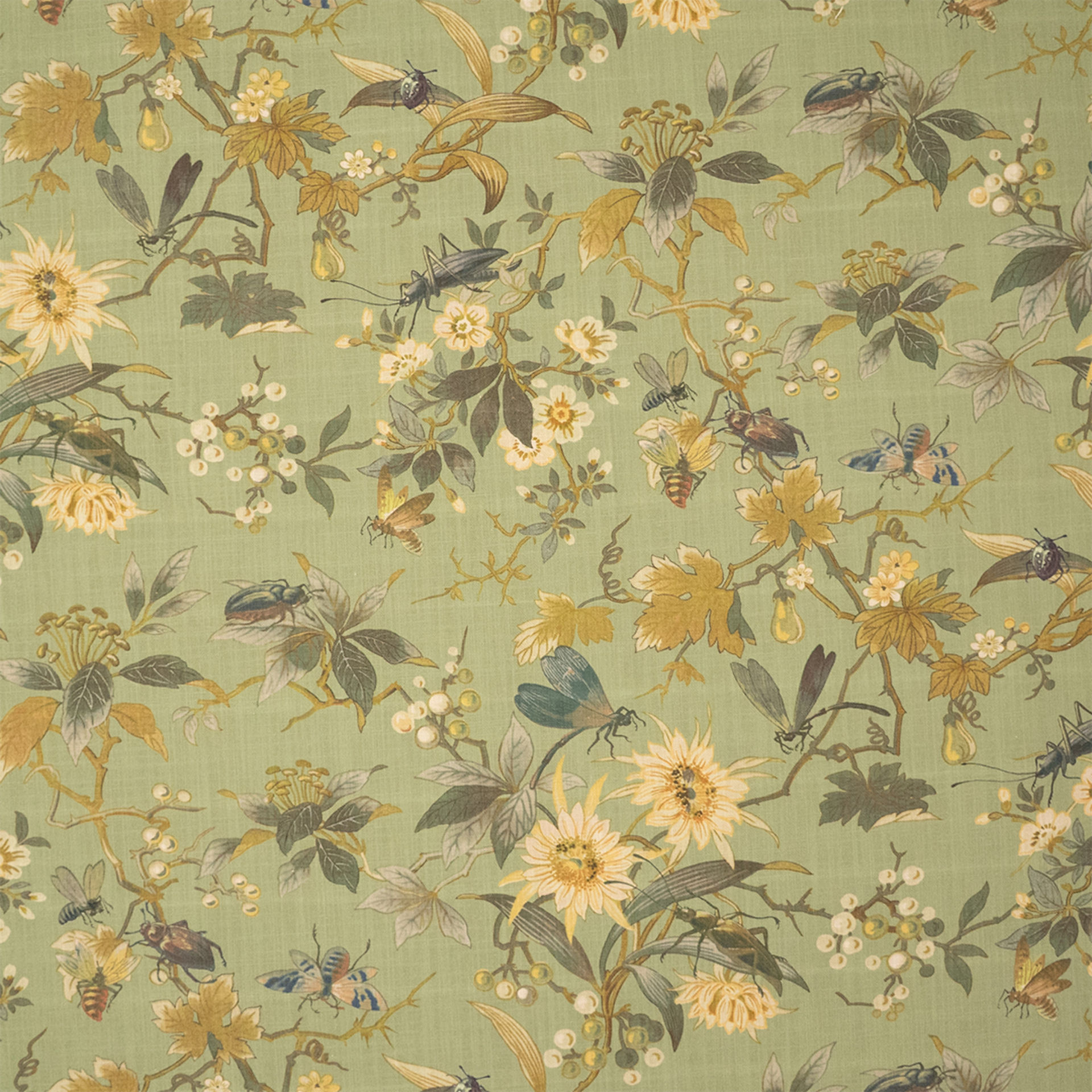
Linen fabric is known for its strength and durability as well as its unique texture. It is highly absorbent but also dries quickly so it can be used in hot weather without becoming uncomfortable or sticky against the skin. Additionally, linen is hypoallergenic so it’s an excellent choice for those with sensitive skin or allergies to certain fabrics like wool or cotton.
Linen fabric also offers many benefits when used in home decorating projects such as curtains or upholstery due to its natural wrinkle resistance and ability to hold color well over time without fading easily.


Velvet Fabric
Velvet is a tufted fabric where every thread is evenly cut giving it a soft feel. It has been around for centuries being everyone’s favorite. Velvet is prominent for the smooth texture it provides which makes one feel warm during winters.
An advantage of using velvet is that it is durable. Also, velvet has an extraordinary ability to be resistant to wrinkles.


Twill Fabric
Twill fabric is created when the weft thread passes over one or more warp threads and then under two or more warp threads. This is the reason for it having a distinguishable diagonal pattern on the fabric. Another remarkable factor is that this pattern can be created using any fabric like cotton, linen, wool, silk, polyester, rayon, and even synthetics like nylon and acrylics. Also, they are versatile and come in varied weight sizes depending on the application they are used for.
Heavier twills are used for upholstery fabrics because they are resilient enough to withstand wear and tear over time. Twill has fabric tightly woven which makes it even water-resistant, making them very ideal to use for outdoor applications locking the moisture.
The most popular types of twill fabrics include denim, known for its sturdiness, and used for making jeans.


Jacquard Fabric
With the design actually woven into the fabric, jacquards offer a wide variety of looks and fabric weights suitable for upholstery, window treatments, bedding, and more. The designs of this fabric are often coupled with motifs, geometrical shapes, or flowers which gives it an exquisite look. Due to its raised texture, Jacquard is comparatively heavier which makes it ideal for upholstery or bedding. This makes it durable as it undergoes an additional yarn-weaving process. Also, jacquards are tightly woven which keeps dirt and dust at bay. It also makes cleaning easy with a wipe or wash.


Chenille Fabric
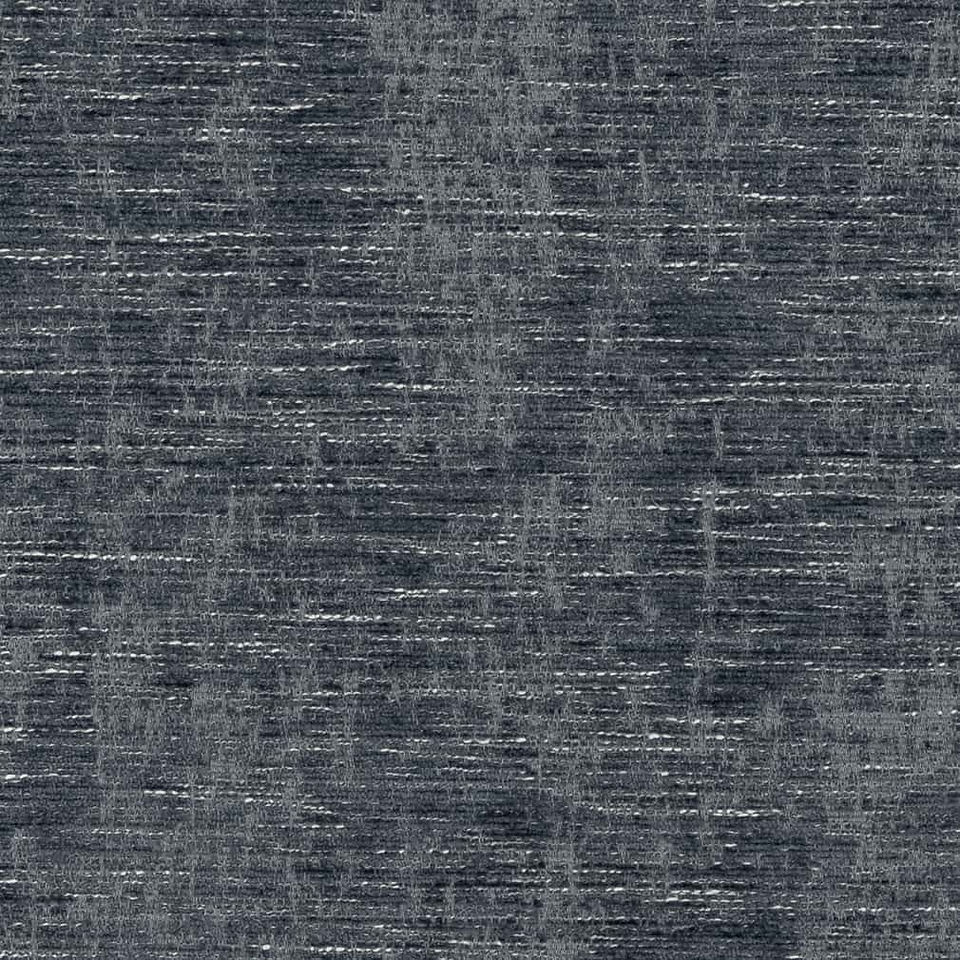
Chenille is a type of textile known for its soft, velvety texture and durability, often used in furniture and home decor. It is made from yarn that resembles a caterpillar, giving it a fuzzy appearance, it's made by twisting short lengths of yarn between two core yarns, creating a tufted texture. This process results in a fabric that is both thick and soft. It can be made from various materials like cotton, polyester, or acrylic.
Chenille fabric is strong and can withstand everyday wear, making it suitable for high-traffic areas. Available in numerous colors and patterns, chenille can complement various home decor styles




.
Matelassé fabric
The history of matelassé begins with exquisitely detailed needlework produced in 17th-century Marseille, where an all-white, quilted and corded textile known as broderie de Marseille. Soon the Brits set out to replicate the look on their home turf. In 1745, Englishman Robert Elsden invented what was initially called woven quilting. The French further perfected the machine-weaving technique and dubbed their product matelassé, which translates literally to “quilted.”
Designed to mimic finely quilted textiles, matelassé fabrics get their puffy, bubbly texture not from the layer of batting that’s used in quilting but from extra sets of yarns introduced during the weaving process. In addition to the regular warp and weft yarns, crisscrossing sets of crepe or coarse cotton yarns are incorporated. During the finishing process, these extra yarns shrink, giving matelassé its trademark puckered appearance.


Embroidered Fabric
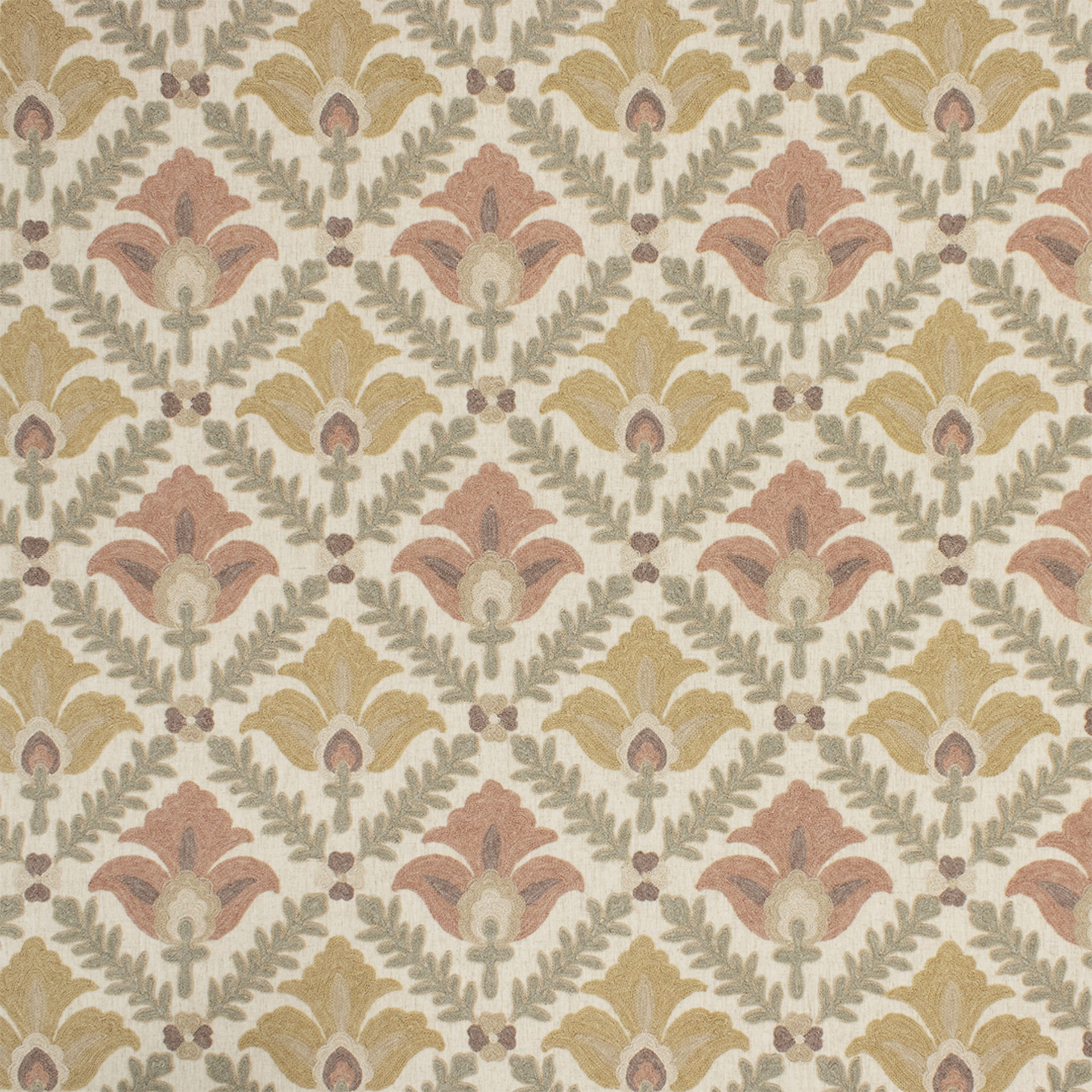
Embroidered fabric features intricate decorative stitching applied to textile surfaces, creating intricate designs and patterns like floral motifs and geometric shapes. Embroidery adds a textured dimension, enhancing the fabric's visual richness. This technique can be executed by hand for detailed artistry or by machine for faster production. It is valued for its aesthetic appeal and versatility in various applications.



Comments